


Everyone’s Leaving Social Media — But No One Wants to Say Why |
 Social Media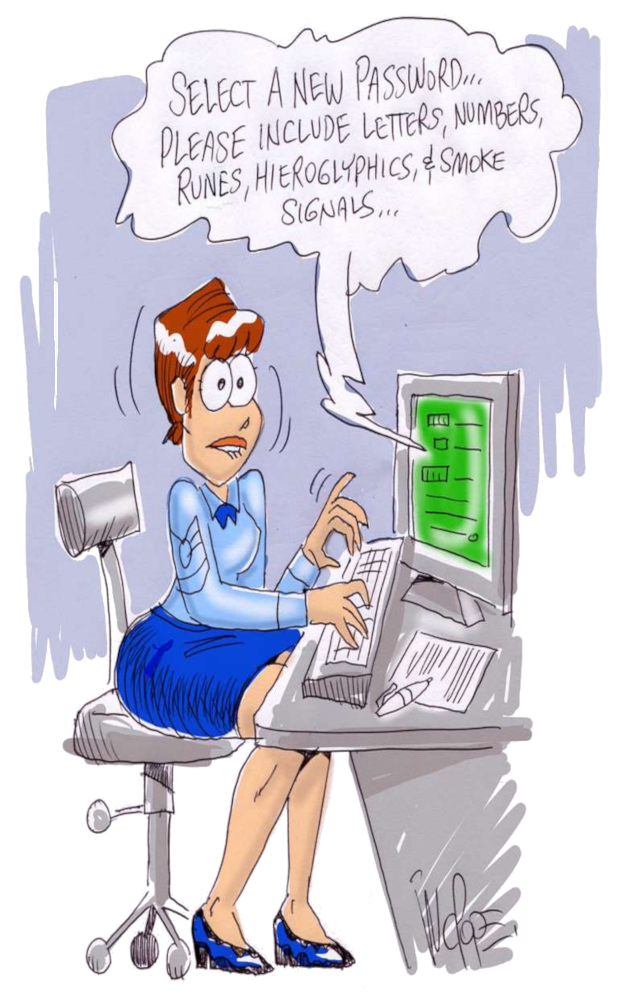
Here’s what’s happening.
People aren’t exactly lining up to quit social media — but they’re quietly slipping away.
They still check their accounts occasionally.
They still post from time to time.
But the thrill is gone.
Social Media is just not exciting anymore.
Why?
Because social media has changed. A lot!
And it’s our job to bring the excitement back.
The most important reason is Number 16. But don’t skip ahead. Read them all. As you read them, you’re going to say to yourself, "That sounds very familiar. Why didn’t I see this before?"
Remember when social media was fun?
Now it feels like every post is a performance. It’s all about likes, shares, comments, and going viral. People feel like they have to earn approval from strangers—just to be seen.
That’s exhausting.
Ever wonder why you suddenly see ads for something you recently searched for on Google?
💀 Yeah! Creepy!
A lot of people are tired of being tracked, monitored, and fed content they didn’t ask for. It's not just annoying—it’s invasive.
Every time you log on, there’s more arguing.
Politics. Outrage. Negativity.
It’s hard to have fun when it feels like you’re walking into an online war zone. Most people don’t want that in their day.
People are starting to realize something big:
👾📺 Most of what we see online just isn’t real.
Fake happiness. Fake photos. Fake success.
It’s not inspiring—it’s overwhelming. And it makes people feel worse, not better.
Let’s face it—social platforms don’t feel safe. From cyberbullying to account hacks, people are more anxious online than ever before.
And the worst part?
Nobody in charge seems to care.
Social media used to feel comfortable - like a place where people could relax, talk, hang out, and share their lives with friends.
Wow! To say that this has changed is the understatement of the 21st century.
Here’s the deal: Platforms give you the impression, "Son, you’re in our house now. That means, you better do exactly what we say, or else there will be consequences."
Think about it for a moment. Social media should be your home away from home. Your profile is your space - a space where you can hang out, relax, be yourself, and most important, decorate it any way you want in a way that suits your taste.
When something stops feeling like home, people don’t make a big deal about leaving.
They’re just suddenly not around any more.
On a social media platform, no two profiles should look the same. Your profile is your home, and you should have the opportunity to design it any way you like.

Most large social media companies talk a lot about “community”, but don’t practice what they preach.
This is why many people feel like they are just numbers in a database.
When decisions are made, it feels like these decisions are in the best interests of the platform, not people.
Over time, users start to feel that they are not important.
And when people feel like they don’t matter, they slowly stop showing up.
If you scroll long enough through most social media feeds, you’ll notice something strange.
Everything starts looking the same.
The same recycled memes.
The same trending arguments.
The same content appearing again and again.
When social media becomes predictable, it is no longer exciting.
And when something stops being exciting and interesting, people naturally start looking for something different.
In the early days, social media was personal. People could feel it, and they loved it.
People were excited because they had the opportunity to connect with old friends they hadn’t seen in years.
If you scroll today, you will see many posts from giant corporations that seem to have taken over the platform.
Policies change all the time.
Algorithms decide what people see.
Conversations often feel less like communities and more like monitored (advertising) spaces.
The bigger these platforms become, the harder it is for them to feel personal.
Many people spend years building friends and followers.
But then they realize something surprising.
Those followers don’t really belong to them.
The platform decides who sees posts, when they see posts, and sometimes whether they see posts at all.
Users are smart. They notice this, and they’re not happy about it.
When a user works so hard to build friends and followers, and it’s all for nothing, they’re not going to hang around.
For years, people shared links to websites, blogs, and businesses in social media posts.
Why? To showcase what they’ve done. That’s reasonable. They worked hard, and want to be noticed.
But something has quietly changed.
Many creators now notice that links rarely send the traffic to their websites.
Posts may get likes or comments, but very few people actually click through. Why? Because very few people see the posts.
People begin to wonder if something in the system is deliberately causing that to happen.
One of the biggest fears many users have is losing their account.
Sometimes accounts are suspended or removed without warning, and without a reason.
Years of posts, photos, followers, friends and conversations can disappear instantly. One day, they’re there, and then, they’re gone. And the user is left to pick up the pieces.
Even if the reason is unclear, the result is the same — the digital history someone built can disappear overnight.
That possibility alone makes many users feel uneasy. And the result: They just don’t want to hang around any more.
Social media was once about conversations between people.
Today, algorithms often decide what gets seen and what disappears.
Two people can follow the same account and see completely different posts.
When algorithms control the flow of information, the experience begins to feel less natural and more controlled.
As platforms grow, advertising grows with them.
Many feeds are now filled with sponsored posts, promoted content, and targeted ads.
Instead of seeing friends and communities first, users often see promotions.
When advertising starts to dominate the experience, the original purpose of social media can begin to fade away.
This may be the quiet reason behind many of the others.
Social media once felt like a place where people belonged.
Now many users feel like they are guests in someone else’s system.
When people stop feeling like they belong somewhere, they don’t always complain about it.
They simply drift away.
And they start looking for places online that feel more comfortable, more personal, and more welcoming again.
I had to add this final reason people are leaving social media, because it is the most important.
Every thing you have read in this article is something social media platforms don’t want you to know.
Do you think any of the big platforms would publish an article like this?
Definitely not!
But this is  and we want you to know the truth.
They’re not leaving the internet—they’re just tired of being used.
People want something better. Something real.
That’s where SurfSideSafe comes in.
It’s social media—rebuilt with honesty, privacy, and connection in mind.
No tracking. No manipulation. Just you and your people.
If you’ve felt the urge to unplug but didn’t know where to go—
You just found it.
This is SurfSideSafe.
💬 Say what you mean.
🕊️ Connect without pressure.
🌊 Be part of something that feels human again.
SurfSideSafe is social media that feels like home
Join SurfSideSafe — while it still feels personal.
To join SurfSideSafe, tap the picture above.
“If a platform can suspend your account, it should also give you a ticket number.”
The SurfSideSafe Principle
At SurfSideSafe, we believe social media should follow a few simple ideas:
Respect the user
Be transparent when something goes wrong
Give people control over what they see
Always provide a clear way to ask for help
This philosophy guides every feature we build.
This is SurfSideSafe
A better way to connect.

 |  |  |  |
 |  |  |  |
 |  |  |  |
| |
| |
| |
| |
| |
| |
Join SurfSideSafeCreating an account with SurfSideSafe is very easy.In a few minutes, you will have the best Social Media experience you have ever had in your life. 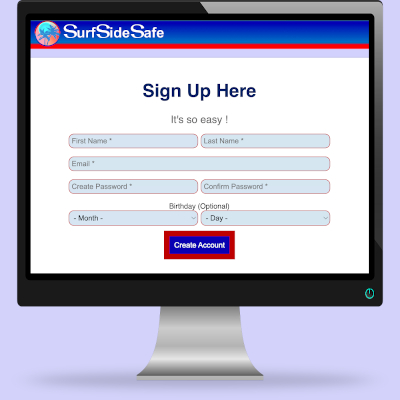  |

A calmer, safer, easier place to connect
Creating an account with SurfSideSafe is very easy.
In a few minutes, you will have the best Social Media experience you have ever had in your life.
![You Were Never Meant to Settle for This [Because There’s Something Else]](../images/blog/FriMay15384420269830-you-were-never-meant-to-settle-for-this-fi.jpg)

 About Us
 Press Releases
 SurfSideSafe Support
 ASK SurfSideSafe
 SurfSideSafe MarketPlace
 Our Blog
 Videos
 Privacy Policy
 Terms/Conditions
 Contact Us


 Internet
 Business
 Self Help
 Lifestyle
 Relationships
 Entertainment
 Mystery
 Good Food Ideas
 Seasonal
 Questions
 SurfSideSafe
 Heart of SurfSideSafe
 SurfSideSafe Stories