


What Social Media Is Missing (And How to Bring It Back) |
 Social Media
But somewhere along the way, much of that experience changed.
For many people, social media now feels less personal, less welcoming, and more focused on attention than genuine relationships.
So what's missing from social media?
Meaningful conversations, authentic connections, personal choice, and the simple pleasure of sharing something without feeling like you're competing for attention.
The good news is that these things aren't gone forever. And there are practical ways to bring them back.

You didn’t quit social media.
You didn’t wake up one day and tell yourself, “I’m Done with This!”.
But something changed.
It doesn’t feel the same anymore.
The conversations feel meaningless.
The posts feel empty.
And somehow... even when you’re surrounded by people online, it feels like you’re all alone.
You’ve felt it.
You just couldn’t explain it.
And maybe you’ve even asked yourself:
“What happened to social media?”
The truth?
This didn’t happen overnight.
It changed slowly. Quietly.
And most people didn’t even notice what was happening.
But now?
You can feel it every time you open your phone.
Something is missing.
And once you see it...
You’ll finally understand what’s happening.
But there’s hope. Here’s the part most people don’t realize:
👉 Social media can be brought back. And it starts with what’s missing.”
If you've been wondering why social media feels different today, part of the answer may be that genuine interaction has become harder to find amid the constant flow of content competing for our attention.
Social media used to feel like talking.
Now it feels like posting... and hoping.
You say something...
And it disappears into a feed that never stops moving.
No response.
No connection.
Just noise.
Why are real conversations important?
A meaningful conversation is more than exchanging comments or collecting likes. It's about knowing someone is listening, taking an interest in what they've shared, and making them feel that their words matter.
When people stop responding to one another, social media can begin to feel lonely, even when hundreds of people are connected.
How can we bring real conversations back?
Start with something simple. Instead of scrolling past a friend's post, take a moment to leave a thoughtful comment. Ask a question. Share a memory. And when someone responds to something you've posted, continue the conversation.
A few genuine exchanges can be more rewarding than hundreds of likes.
Sometimes, bringing conversation back begins with just two people who take the time to listen.
👉 People didn’t stop talking.
The platforms stopped listening.
You post something you care about...
And almost no one seems to see it.
Not necessarily because people don't care.
But because something is influencing who gets seen... and who doesn't.
And you may have very little control over it.
Why aren't my social media posts being seen?
Many social media platforms use algorithms to decide which posts appear in people's feeds. These systems consider factors such as previous interactions, engagement, and how relevant a post might be to a particular person.
That means even someone who follows you may not see everything you share.
Timing matters, too. A post can quickly become buried beneath newer content, especially when people follow hundreds of accounts.
And sometimes, people do see your posts but simply don't respond.
How can you help more people see your posts?
Start by focusing on the people who genuinely want to hear from you.
Share something that invites conversation rather than simply collecting reactions. Ask a thoughtful question, share a personal experience, or tell a story that others might relate to.
You can also encourage friends to visit your profile directly instead of relying entirely on their feeds. On platforms that offer favorites, notifications, or chronological viewing options, those features may help people keep up with your posts.
Most importantly, don't measure the value of what you share solely by the number of likes or comments it receives.
A post doesn't become less meaningful just because fewer people see it.
👉 That’s not connection.
That’s control.
There was a time when feedback meant something.
Now?
Likes don't always tell the whole story.
Comments can feel shallow.
And genuine, thoughtful responses sometimes seem hard to find.
Everything can begin to feel... filtered.
Why is honest feedback important on social media?
When someone shares a photograph, tells a personal story, or expresses an opinion, they're often hoping for more than a quick reaction.
They want to know what other people genuinely think.
A thoughtful response can encourage someone, offer a different perspective, or help them understand something they hadn't considered before.
But not every positive reaction is meaningful, and not every disagreement is negative. Sometimes, the most valuable feedback comes from someone who respectfully tells us something we didn't expect to hear.
How can you encourage more honest feedback?
Start by asking questions that invite thoughtful answers.
Instead of simply posting a photograph, share the story behind it and ask others about similar experiences.
If you're looking for advice, explain what you're trying to accomplish and invite different perspectives.
And when someone offers a sincere opinion, acknowledge it — even if you disagree.
Honest feedback doesn't have to mean harsh criticism. It means responding with sincerity, kindness, and respect.
The most meaningful response isn't always the one that agrees with you. Sometimes, it's the one that helps you see something differently.
👉 When feedback isn’t real,
Connection isn’t real either.
People don't always trust what they're seeing on social media anymore.
Not the posts.
Not the platforms.
Not even the numbers.
And when trust is gone, it's difficult to feel comfortable sharing, participating, or believing what others say.
👉 Without Trust, everything else starts to fall apart.
Why is trust so important on social media?
Trust allows people to communicate without constantly questioning whether they're being misled.
But fake accounts, misleading headlines, manipulated images, scams, and artificially inflated engagement can make it difficult to distinguish genuine interactions from deceptive ones.
Even a post that appears popular isn't necessarily accurate. Thousands of likes or shares don't prove that a claim is true.
Privacy matters, too. People may hesitate to share personal experiences when they're uncertain how their information will be collected, used, or shared.
When trust begins to disappear, people may become less willing to participate — even in conversations that could otherwise be meaningful.
How can you build trust and protect yourself on social media?
Start by being thoughtful about what you believe and share.
Before reposting a surprising claim, check whether it comes from a reliable source. Look for supporting information rather than relying on the number of reactions.
Be cautious with unfamiliar accounts, especially those requesting personal information, money, or immediate action.
Review your privacy settings and understand who can see your posts and what information the platform collects.
And when interacting with others, be genuine. Avoid exaggerating, misleading people, or sharing information you haven't verified.
Trust isn't built through impressive numbers or promises.
It's built through honesty, consistency, and the way people treat one another.
One way to improve your social media experience is to take a closer look at the choices available to you. Even small adjustments can make a difference.
You used to feel in control of your experience.
Now it sometimes feels like the platform is in control of you.
✅ What you see
✅ What you don't see
✅ What gets promoted
✅ What gets buried
Many of these decisions are influenced by systems you may not fully understand.
Why does social media sometimes feel out of your control?
Social media platforms often personalize what appears in your feed based on your activity, interests, and previous interactions.
That can be helpful when it introduces you to something you enjoy. But it can also mean that the content you see isn't necessarily what you would have chosen for yourself.
Notifications, recommended posts, autoplaying videos, and endless scrolling can also make it difficult to decide when you've seen enough.
Over time, some people begin to feel that they're reacting to the platform rather than using it for their own purposes.
How can you take back control of your social media experience?
Start by exploring the settings and viewing options available on the platforms you use.
Look for features that let you choose which accounts to follow, prioritize friends, hide unwanted content, or switch to a chronological feed.
Turn off notifications that aren't important to you. Disable autoplay where that option is available.
Consider setting aside specific times to check social media instead of opening an app whenever a notification appears.
And remember that you can unfollow accounts, mute conversations, or leave groups that no longer contribute something positive to your experience.
You don't have to participate in everything a platform puts in front of you.
Social media should be something you choose to use — not something that constantly demands your attention.
👉 You didn’t lose interest in social media.
You lost control of it.
Scroll for 10 minutes...
And ask yourself:
“What did I actually get from that?”
Sometimes, it's difficult to come up with an answer.
Because...
👉 Much of what we encounter on social media can be entertaining in the moment but quickly forgotten.
Why does meaningful content matter on social media?
Social media can be a wonderful place to learn something new, reconnect with an old friend, discover an interesting idea, or share an experience.
But when we spend most of our time scrolling through content that doesn't interest us, we may finish feeling as though we've accomplished very little.
That doesn't mean everything we see has to be educational or important. Sometimes, a funny video or a photograph that makes us smile is exactly what we need.
Meaning isn't always about productivity. It can also come from laughter, friendship, encouragement, or simply enjoying a pleasant moment.
The important question is whether the experience adds something positive to our day.
How can you make your time on social media more meaningful?
Before opening a social media app, consider what you'd like to do.
Maybe you want to catch up with family, check on a friend, learn something about a hobby, or participate in an interesting discussion.
Follow people and communities that share your interests. Spend more time engaging with content you genuinely enjoy and less time scrolling simply out of habit.
And don't overlook the value of contributing something yourself. Sharing a helpful suggestion, encouraging someone who's having a difficult day, or reconnecting with an old friend can make the experience more rewarding.
You don't have to accomplish something extraordinary every time you log in.
Sometimes, the most meaningful thing social media can give you is a reason to smile.
Meaningful social media connections aren't measured by follower counts. They're built through shared experiences, genuine interest, and the effort people make to stay in touch.
You can have thousands of “connections”...
And still feel completely alone.
Because connection isn't about numbers.
It's about:
🔹 Being heard
🔹 Being understood
🔹 Being noticed
👉 And that’s what’s missing most.
Why do genuine relationships matter on social media?
Having hundreds or thousands of followers doesn't necessarily mean having hundreds or thousands of meaningful relationships.
A genuine connection develops when people take an interest in one another beyond an occasional like or comment.
It's remembering someone's birthday, asking how they're doing, checking on them when they're having a difficult time, or sharing something because you know they'll appreciate it.
These small gestures help people feel valued, rather than simply counted as another follower.
Social media can make it easier to meet people, but maintaining a friendship still requires attention, kindness, and effort.
How can you build genuine connections through social media?
Start by focusing on relationships rather than numbers.
Reach out to someone you haven't spoken with in a while. Send a personal message instead of relying entirely on public posts.
When a friend shares something important, follow up later. Remember what matters to them.
Participate in communities built around shared interests, where conversations can develop naturally over time.
And don't feel pressured to collect followers or accept every friend request. A smaller circle of people you genuinely enjoy knowing can be more rewarding than a large audience of strangers.
Remember that meaningful online friendships can sometimes grow into lasting relationships, even when people live far apart.
Real connection isn't about how many people know your name. It's about the people who genuinely care how you're doing.
When something goes wrong...
Where do you go?
Who do you talk to?
What happens next?
Sometimes, it's difficult to find an answer.
👉 And that’s the problem.
Why is transparency important on social media?
Transparency means people can understand how a platform operates, what rules they're expected to follow, and what happens when those rules are enforced.
For example, imagine discovering that one of your posts has disappeared or your account has been restricted.
Was the post removed because it violated a rule? Was there a technical problem? Was the decision made automatically?
Without a clear explanation, people may be left wondering what happened and whether they were treated fairly.
Transparency also matters when platforms change their policies, introduce new features, or modify how personal information is handled.
People shouldn't have to guess about decisions that affect their accounts or their ability to participate.
What should you look for in a transparent social media platform?
Start by looking for clear community guidelines and privacy policies written in language you can understand.
A responsible platform should explain what behavior is prohibited, how content moderation works, and what users can do when they believe a decision was incorrect.
Look for accessible support options, a way to report problems, and an appeals process for important account or content decisions.
When a problem occurs, save relevant notifications or screenshots and use the platform's official support channels. Avoid sharing passwords or sensitive account information with anyone claiming they can resolve the issue privately.
And remember that transparency doesn't mean every decision will go your way. It means you should have a reasonable opportunity to understand what happened and seek a review when appropriate.
People may not agree with every decision a platform makes. But they deserve to know why that decision was made.
At some point...
Many people began to feel that they were no longer the priority.
Instead, their attention, activity, and personal information had become valuable products.
👉And people can feel that change, even when they can't explain exactly why.
What does respecting social media users really mean?
Respect begins with recognizing that people are more than accounts, statistics, advertising audiences, or sources of engagement.
Social media companies need ways to support their services financially, and advertising isn't automatically a bad thing.
But problems arise when business goals consistently take priority over the experience, privacy, and well-being of the people using the platform.
Respect means giving people understandable choices about their information, explaining important decisions, and allowing them to participate without unnecessary pressure.
It also means recognizing that users have lives beyond their screens. Their time, attention, relationships, and personal boundaries deserve consideration.
A respectful platform should make it easier for people to accomplish what they came to do, rather than continually encouraging them to stay longer.
How can you tell whether a social media platform respects its users?
Consider how the platform treats you when you're not generating attention or engagement.
Can you understand its privacy settings and make meaningful choices about your personal information?
Can you control notifications, manage unwanted interactions, and find help when something goes wrong?
Are important changes explained clearly? Can you report a problem and understand what happens afterward?
Does the platform make it reasonably easy to leave, download your information where available, or close your account?
And perhaps most importantly, do you feel comfortable using it?
No social media platform will be perfect. But respect should be reflected in its everyday decisions, not simply promised in its advertising.
People shouldn't have to sacrifice their privacy, peace of mind, or dignity just to stay connected.
If you're wondering how to make social media better, the answer doesn't necessarily begin with new technology. It begins with how we communicate, the choices we make, and the way we treat one another.
You’ve felt all of this.
You may not have had the words for it...
But now you do.
👉 This is what’s missing.
And once you see it clearly...
you start to realize something else:
👉 It doesn’t have to stay this way.

Social media didn’t break overnight.
And it won’t be fixed overnight either.
But the answer is simpler than people think.
👉 It starts with going back to what mattered in the first place.
Where people actually respond... and listen.
Where your voice isn’t hidden.
Where reactions mean something again.
Where what you see feels real.
Where you decide what matters to you.
And most of all...
Where people don’t just scroll past you...
They connect with you.
👉 That’s not complicated.
👉 That’s what social media was always supposed to be.
And here’s the truth:
👉 It’s already being built.
You don’t have to keep using something that doesn’t feel right.
👉 You can choose something better.
 |  |  |  |
 |  |  |  |
 |  |  |  |
| |
| |
| |
| |
| |
| |
Join SurfSideSafeCreating an account with SurfSideSafe is very easy.In a few minutes, you will have the best Social Media experience you have ever had in your life. 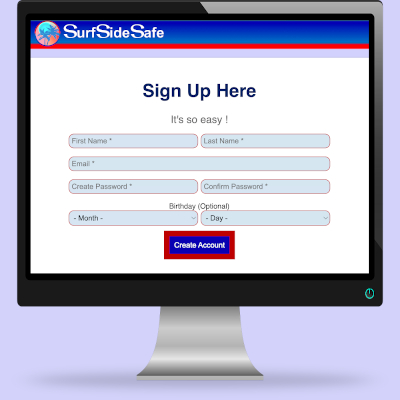  |

A calmer, safer, easier place to connect
Creating an account with SurfSideSafe is very easy.
In a few minutes, you will have the best Social Media experience you have ever had in your life.



 About Us
 Press Releases
 SurfSideSafe Support
 ASK SurfSideSafe
 SurfSideSafe MarketPlace
 Our Blog
 Videos
 Privacy Policy
 Terms/Conditions
 Contact Us



 Internet
 Business
 Self Help
 Lifestyle
 Relationships
 Entertainment
 Mystery
 Good Food Ideas
 Seasonal
 Questions
 SurfSideSafe
 Heart of SurfSideSafe
 SurfSideSafe Stories